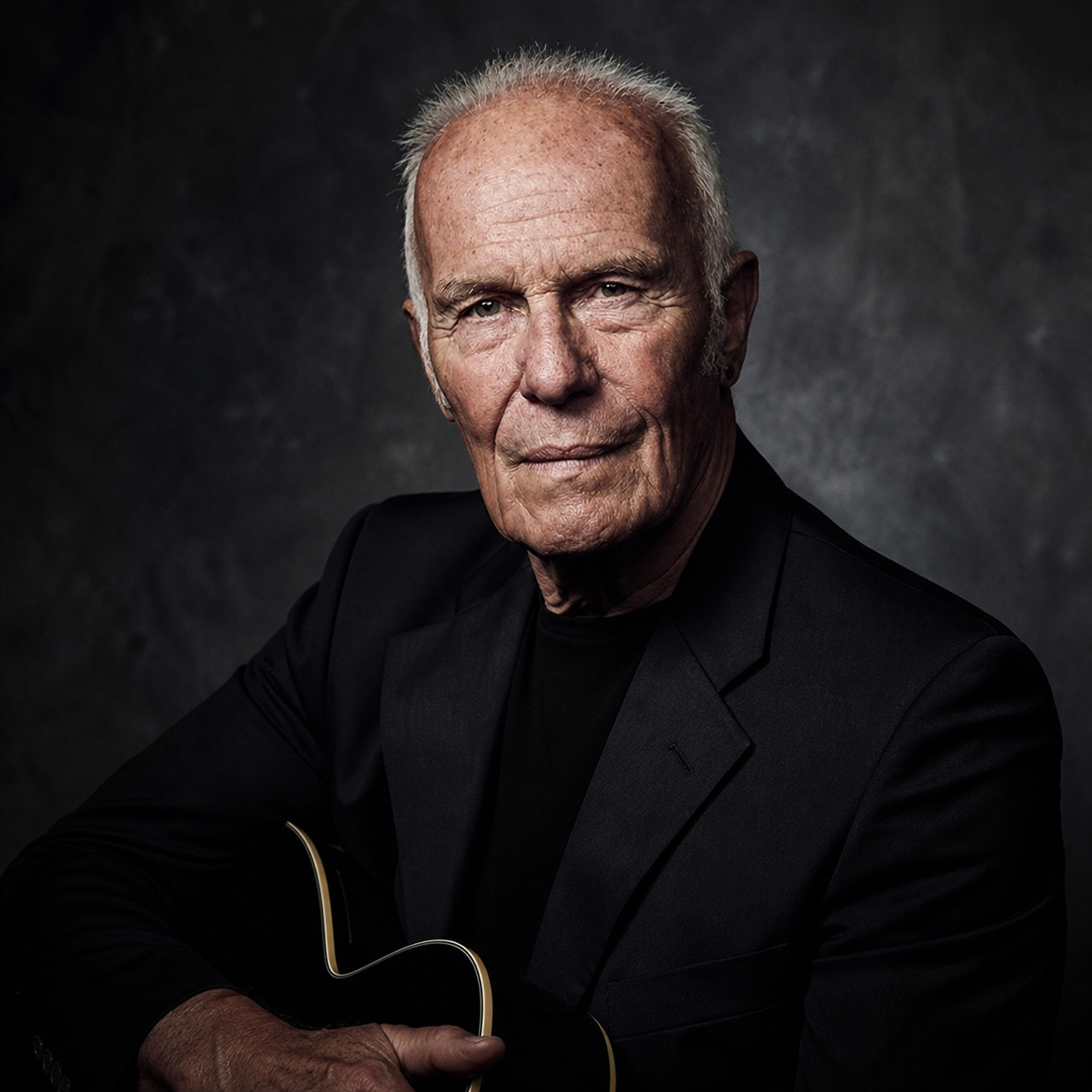
Allan Taylor is a British folk singer-songwriter and guitarist, born in Brighton, England, in 1945. He is known for poetic, storytelling songs, warm acoustic guitar playing, and a calm, intimate vocal style. His music fits especially well in the folk, singer-songwriter, acoustic and audiophile categories.
He started performing in folk clubs as a teenager and became a full-time musician in 1966. In the late 1960s and early 1970s, he was part of the British folk scene, playing clubs such as the Troubadour Club in London and supporting artists including Fairport Convention. His early albums include Sometimes and The Lady.
Later, Taylor moved to New York, where he became involved in the Greenwich Village singer-songwriter scene. He performed in well-known venues such as The Gaslight Cafe, The Bitter End and The Bottom Line. His album The American Album was recorded in the United States in the early 1970s.
He is especially admired in Europe and among audiophile listeners. His later recordings for Stockfisch Records, including Colour to the Moon, Hotels & Dreamers, Leaving at Dawn, All Is One and There Was a Time, are known for very clear, natural sound quality. Stockfisch describes him as a performer with literary grace and troubadour-style storytelling.
A key song in his catalogue is “It’s Good to See You”, which has reportedly been covered more than 100 times in different languages. His work often focuses on travel, memory, working people, friendship, distance and personal reflection.
An interesting detail: Allan Taylor is also academically accomplished. While continuing his music career, he earned a BA, MA and PhD in ethnomusicology, showing that his connection to folk music is both artistic and scholarly.
In short: Allan Taylor is a respected British folk troubadour, best known for thoughtful songwriting, warm acoustic arrangements, and high-quality recordings that are popular with folk and audiophile audiences.