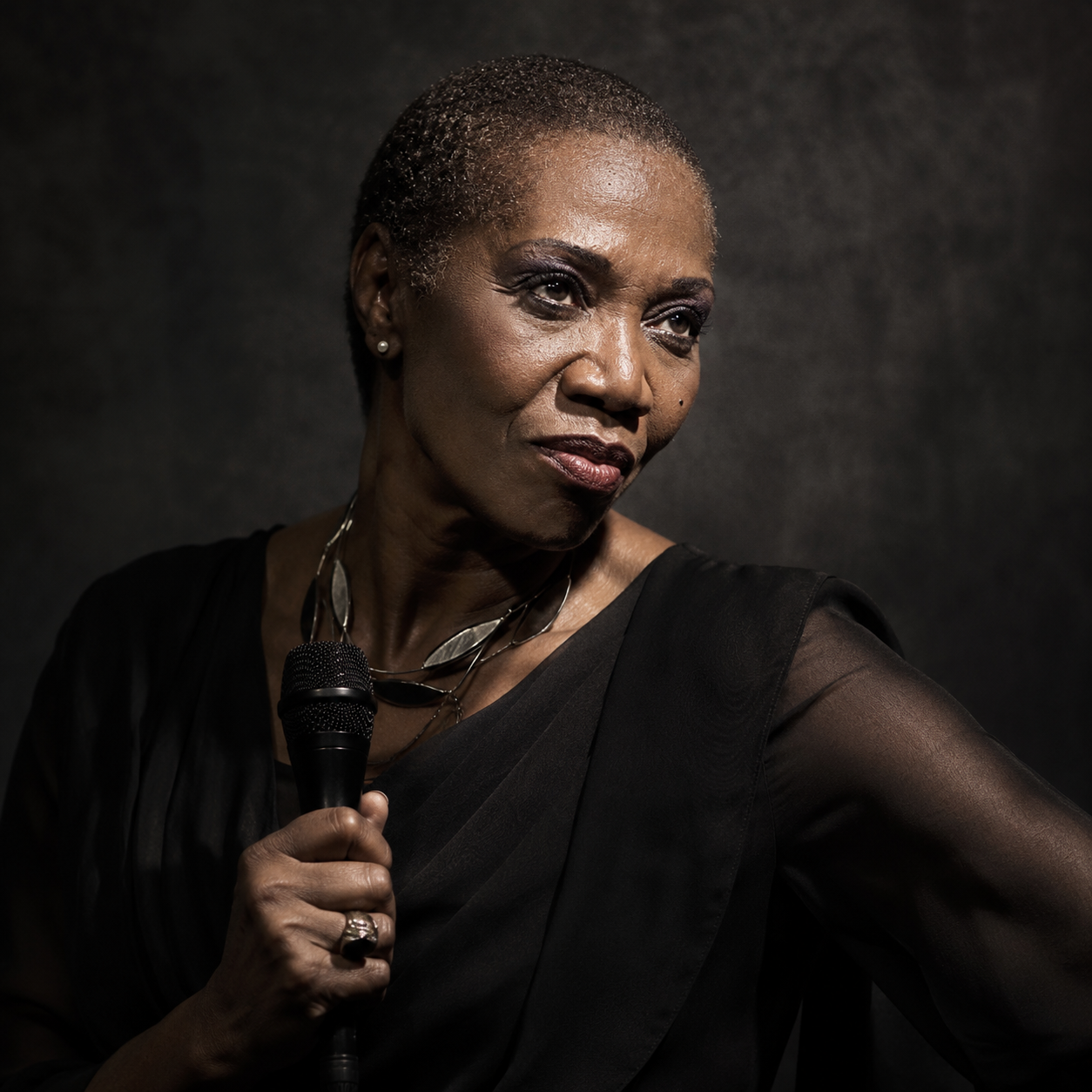
For audiophiles, Etta Cameron remains one of those rare vocalists whose recordings feel emotionally physical. Her voice carried the warmth of gospel, the intimacy of jazz clubs, and the controlled dynamics of classic vocal recordings from the golden era of analog production. Audiophile listeners are especially drawn to the natural timbre of her singing: deep, textured, human, and remarkably free from artificial studio gloss. Albums such as “Etta,” “Lady Be Good,” “I Have a Dream,” and her collaborations with pianist Horace Parlan are prized because they preserve space, air, and micro-detail around the voice. Her recordings often feature minimalist jazz arrangements, allowing every breath, phrasing nuance, and emotional inflection to emerge with startling realism. On high-end systems, her performances can sound uncannily present, almost as if she is standing directly between the speakers.
Etta Cameron was born Ettamae Louvita Coakley in Nassau, Bahamas, in 1939 and later became one of the most respected vocalists in Danish jazz history. After moving through the United States, London, and Berlin during the 1960s, she eventually settled in Denmark, where she built a long and celebrated career blending jazz, gospel, blues, and spiritual music. She became widely admired across Scandinavia for both her technical control and deeply emotional delivery. Cameron was also known for mentoring younger musicians and for her television appearances in Denmark.
Her musical style moved effortlessly between intimate jazz standards and powerful gospel interpretations. Important albums include “My Gospel,” “A Gospel Concert With Etta Cameron,” “Lady Be Good,” “I Have a Dream,” and the later masterpiece “Etta” with pianist Nikolaj Hess. Songs such as “Tears in Heaven,” “What a Wonderful World,” and “You Are So Beautiful” became favorites among listeners who appreciate emotionally expressive vocal recordings.
Etta Cameron is known not only for her remarkable voice, but also for the emotional honesty in her performances. She could move from spiritual intensity to smoky jazz melancholy without sounding theatrical or exaggerated. That authenticity is precisely why collectors, jazz enthusiasts, and audiophiles continue to rediscover her recordings years after her passing in 2010.