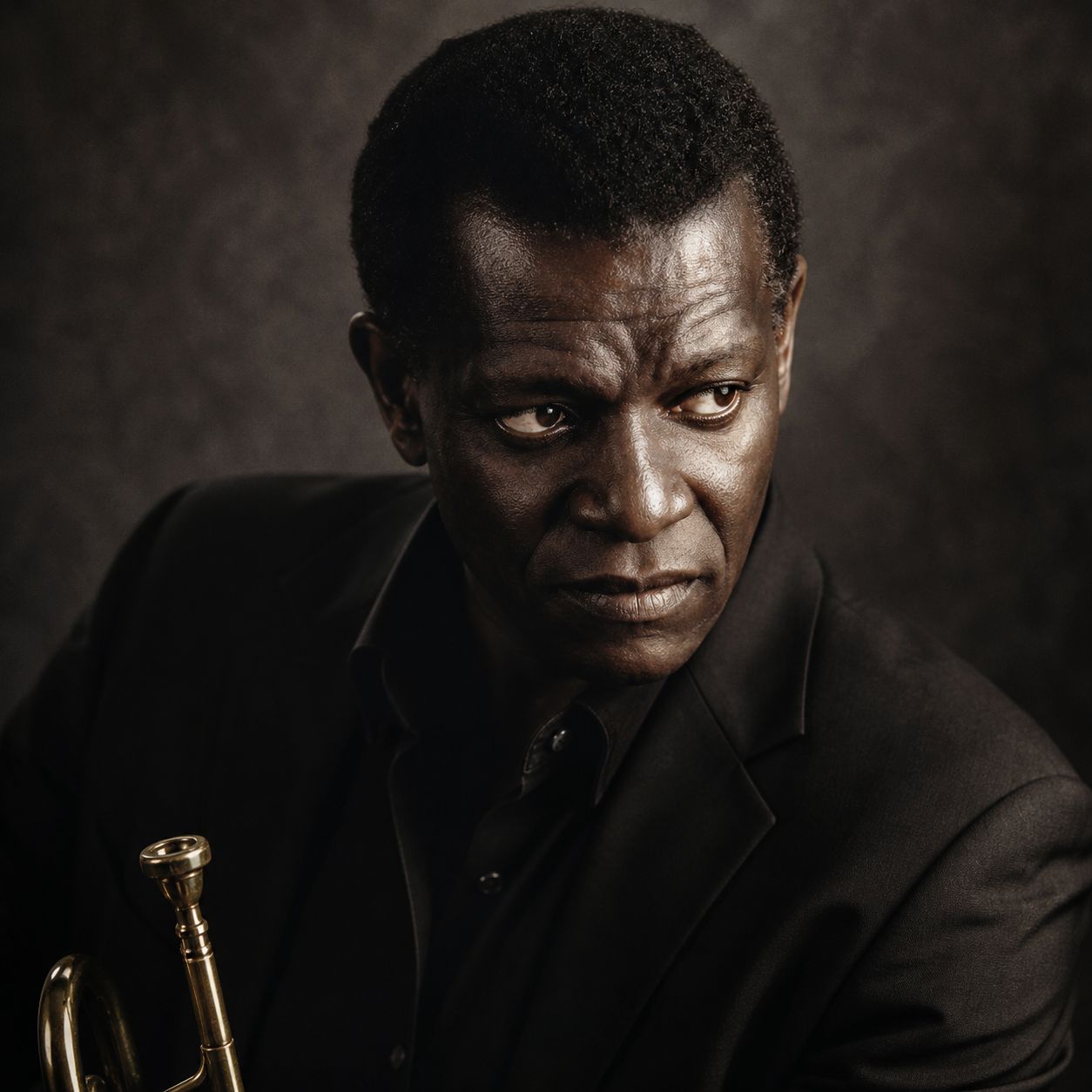
Miles Davis

Miles Davis – The Sound That Changed Jazz Forever

There are musicians who become famous, musicians who become influential, and then there are the rare artists who change the direction of music itself. Miles Davis belongs firmly in that last category. Few names in the history of jazz carry the same weight, mystery and unmistakable sound. From the first muted notes of his trumpet to the revolutionary recordings that reshaped modern jazz, Miles Davis created music that still sounds remarkably alive through a high-quality hi-fi system.

For the audiophile listener, Miles Davis offers something particularly special. His recordings are not simply historical documents from jazz history; many are extraordinary listening experiences in which atmosphere, space, dynamics and instrumental texture become just as important as the melodies themselves. Put on a well-mastered Miles Davis recording, close your eyes, and suddenly the trumpet is no longer coming from the loudspeakers. It appears somewhere between them, surrounded by the subtle sound of cymbals, double bass, piano and the acoustic space of the recording studio.

That sense of realism is one reason why Miles Davis remains essential listening for audiophiles and jazz lovers around the world.

The Birth of an Unmistakable Sound

Miles Davis never needed to play the loudest or the fastest to command attention. His genius was often found in what he deliberately left out. Where another trumpet player might fill a musical phrase with notes, Davis could play only a handful and make every one of them matter.

His famous use of the Harmon mute helped create that instantly recognizable, intimate trumpet sound: cool, slightly distant and sometimes almost fragile. On a revealing audio system, the character of his playing becomes fascinating. You can hear the breath behind the trumpet, the attack of the notes and the way they slowly disappear into the room.

This combination of musical minimalism and extraordinary tonal character makes Miles Davis particularly rewarding on high-end headphones, studio monitors and carefully assembled stereo systems. Better equipment does not simply make his recordings sound cleaner; it reveals more of the performance itself.

Kind of Blue: An Audiophile Jazz Essential

Any journey through the music of Miles Davis eventually arrives at Kind of Blue. Released in 1959, the album has become one of the most celebrated jazz recordings ever made, yet its reputation sometimes hides just how extraordinary it is as a listening experience.

Miles Davis assembled an almost unbelievable group of musicians for the sessions, including John Coltrane, Cannonball Adderley, Bill Evans, Paul Chambers and Jimmy Cobb. Instead of relying on heavily predetermined arrangements, the musicians were given considerable musical freedom. The result feels spontaneous, spacious and effortless.

From the opening bass figure of So What, the recording immediately establishes an atmosphere. Instruments occupy their own places within the soundstage. Cymbals shimmer without demanding attention, the double bass provides a warm foundation and Davis’s trumpet seems to float above the ensemble.

For anyone interested in audiophile jazz recordings, reference jazz albums or high-quality music streaming, Kind of Blue remains an obvious starting point. A good mastering can demonstrate imaging, instrumental separation, midrange purity and the natural reproduction of acoustic instruments without ever sounding like a technical demonstration.

That is perhaps its greatest achievement: you forget about the equipment and start listening to the musicians.

Miles Davis Never Stood Still

It would have been easy for Davis to spend the rest of his career recreating the music that had already made him successful. Instead, he repeatedly abandoned familiar territory.

The elegant cool jazz and modal explorations of his earlier recordings gradually gave way to increasingly adventurous music. Albums such as Miles Ahead, Sketches of Spain, Someday My Prince Will Come and In a Silent Way reveal an artist continuously searching for another musical language.

Then came Bitches Brew.

Released in 1970, the album sounded like jazz being dismantled and rebuilt using electricity. Electric keyboards, guitars, percussion and studio experimentation collided with jazz improvisation to create something that would become enormously influential in the development of jazz fusion.

For audiophiles, Bitches Brew provides a completely different experience from the acoustic intimacy of Kind of Blue. The recording is dense, layered and sometimes deliberately disorienting. A capable audio system allows the listener to travel deeper into that complexity, separating individual percussion patterns, keyboards, bass lines and trumpet passages from the enormous musical landscape.

It is less like sitting in front of a jazz ensemble and more like stepping inside the recording.

When Recording Quality Becomes Part of the Music

One of the pleasures of exploring the best Miles Davis recordings today is discovering how dramatically different editions and masterings can sound. His catalogue has appeared on countless vinyl pressings, CDs, SACDs and high-resolution digital releases, including carefully produced audiophile reissues.

On a revealing system, those differences can become surprisingly obvious. A strong mastering preserves the body of the trumpet instead of making it thin or aggressive. Cymbals retain their metallic texture, the double bass has both weight and definition, and the piano sounds like an instrument occupying physical space rather than a collection of notes.

This makes Miles Davis excellent material for anyone interested in critical listening and audiophile system testing. Soundstage depth, stereo imaging, microdynamics, instrument separation and tonal accuracy can all be explored through his recordings.

But Miles Davis also provides a useful reminder of what audiophile listening should ultimately be about. Perfect sound is meaningless without compelling music.

With Miles Davis, you get both.

The Late-Night Miles Davis Experience

There is also something about Miles Davis that statistics, specifications and frequency response graphs cannot explain.

Play one of his quieter recordings late at night. Turn the lights down. Keep the volume realistic rather than loud. After a few minutes, the room seems to change.

A trumpet appears from the darkness. A cymbal moves quietly behind it. The double bass establishes a pulse and then disappears again. Silence becomes part of the arrangement.

That is where the magic of Miles Davis lives.

His music demonstrates why high-quality audio reproduction can become so addictive. The goal is not simply hearing more bass or brighter treble. It is recreating enough of the original recording that, for a moment, the loudspeakers seem to disappear and the musicians take their place.

Few artists reward that kind of listening as consistently as Miles Davis.

Essential Miles Davis Albums for Audiophile Listening

For listeners discovering his enormous catalogue, Kind of Blue remains the natural beginning, but it should never be the end. Sketches of Spain combines Davis’s trumpet with the lush arrangements of Gil Evans and can sound spectacular on a spacious stereo system. In a Silent Way offers an atmospheric bridge between acoustic jazz and electric experimentation, while Bitches Brew pushes the listener into the revolutionary world of jazz fusion.

Albums such as Milestones, Someday My Prince Will Come and Miles Smiles reveal still more sides of his development and provide fascinating examples of how Miles Davis continually surrounded himself with exceptional musicians.

Together, these recordings form far more than a collection of classic jazz albums. They document an artist repeatedly changing the vocabulary of modern music.

Miles Davis in the Streaming Era

Streaming has made exploring the Miles Davis discography easier than at any previous point in history. Classic albums, remastered editions, live recordings and alternative versions can now be compared without searching through record shops or expensive collector editions.

For listeners using YouTube Music and other digital music streaming services, this creates the perfect opportunity to explore Miles Davis chronologically. Moving from his early recordings through Kind of Blue, In a Silent Way and Bitches Brew reveals just how enormous his musical development was.

Audiophile listeners should pay particular attention to the exact release and mastering where different versions are available. The same Miles Davis album can provide noticeably different listening experiences depending on the source.

Miles Davis: Essential Listening for Every Audiophile

Decades after his most celebrated recordings were made, Miles Davis still sounds modern. That may ultimately be the strongest evidence of his importance.

His trumpet could whisper, challenge, seduce and disturb. His bands contained some of the greatest musicians jazz has ever produced, while his constant desire to move forward helped transform cool jazz, modal jazz and jazz fusion.

For anyone building a collection of the best audiophile music, legendary jazz recordings and reference-quality albums, Miles Davis deserves a permanent place.

Start with Kind of Blue. Listen to the space between the instruments. Follow the trumpet rather than simply hearing it. Then move deeper into the catalogue.

Because with Miles Davis, the most interesting moment often isn’t the note he plays.

It’s the silence he leaves behind.