
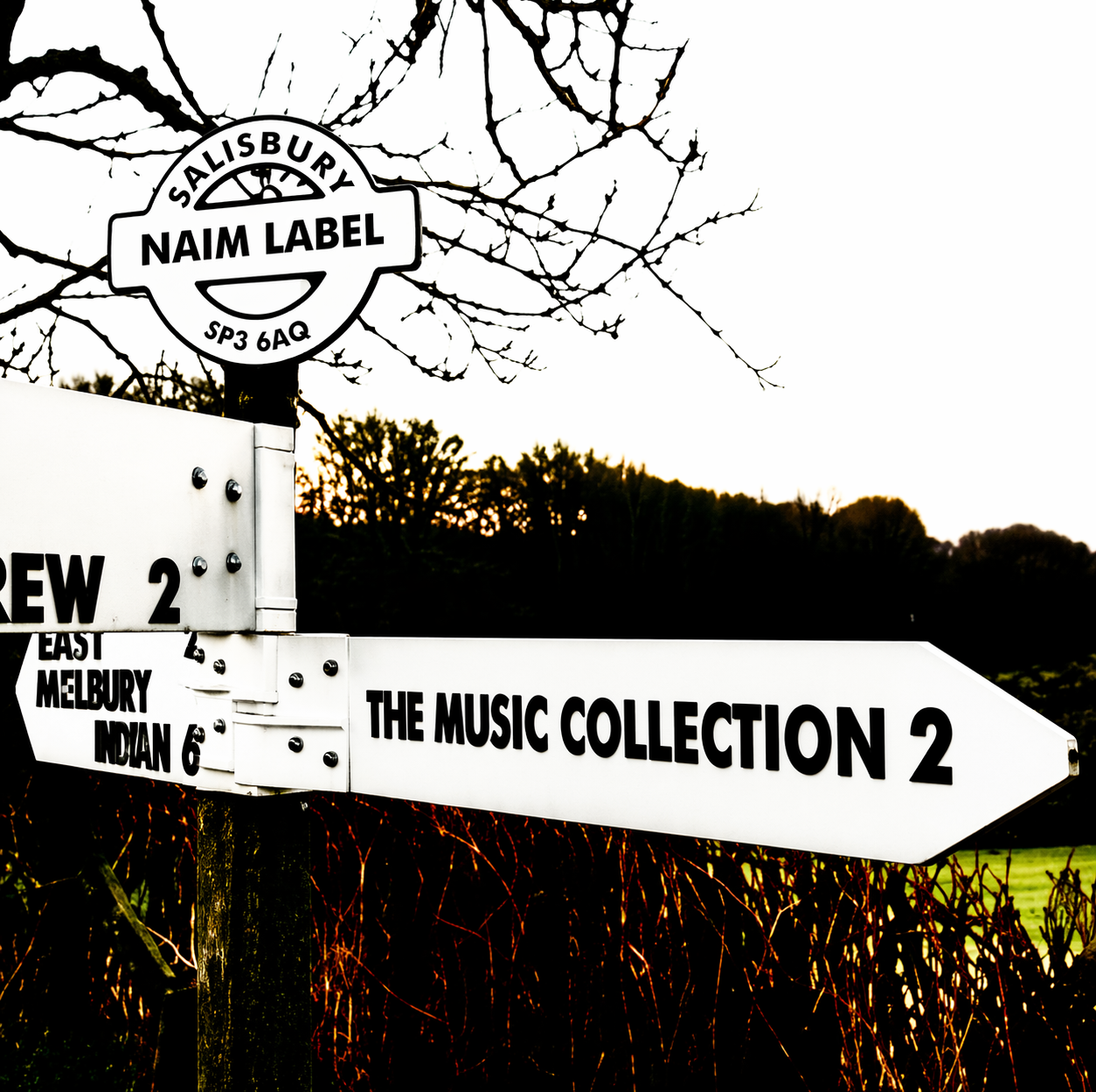
Naim
The Music Collection
Vol. 2
GREAT CHOICE: Naim The Music Collection Vol. 2!
Great music deserves to be discovered, enjoyed and shared.
CAN YOU SPARE A CUP OF COFFEE?
Audiophile-Streaming is a personal passion project, built with countless hours of discovering, selecting and sharing exceptional music.
I personally cover, without sponsors, the ongoing costs of hosting, software and subscriptions to keep the music discoveries coming. If you enjoy my work, your support is always appreciated.
A LITTLE THANK YOU IN RETURN
Just one coffee gives you lifetime access to the Coffee Club and all its playlists.
No subscriptions. No recurring fees.
Antonio Forcione’s acoustic guitar is a good reason to explore Naim The Music Collection Vol. 2, but it is certainly not the only one. This compilation brings together eight instrumental recordings from the British Naim label, with musicians whose backgrounds range from jazz and acoustic music to Mediterranean and world music. Released in the mid-2000s, it follows the first Music Collection from 2003 and was issued as a 180-gram vinyl LP. What I particularly like about this second volume is the emphasis on real instruments, interesting arrangements and musicians who clearly enjoy playing together. It is a collection made with sound quality in mind, but the music has enough character to stand on its own.
Naim Audio is best known for its British hi-fi equipment, but its involvement in music recording is an equally interesting part of the company’s history. Founder Julian Vereker established Naim’s record label with the idea that the quality of a recording deserved just as much attention as the equipment used to reproduce it. Over the years, the label developed a catalogue featuring jazz, acoustic performances and musicians who did not necessarily fit into mainstream commercial categories. The Music Collection Vol. 2 reflects that approach, bringing several different artists together without losing a sense of musical continuity. I appreciate that the selection feels like a carefully assembled album rather than a collection of unrelated demonstration tracks.
Acoustic Guitar at the Centre
The compilation opens with Tears of Joy by Italian guitarist Antonio Forcione, whose album of the same name appeared on Naim in 2005. Forcione has a very recognisable way of playing, combining strong rhythmic ideas with melodic passages and expressive acoustic guitar techniques. What interests me is how much variety he can create with one instrument. The guitar provides both melody and rhythm, moving between delicate individual notes and more energetic passages without making the music feel crowded. I particularly enjoy the contrast between the attack of the strings and the softer resonance that follows each note. It gives the performance a natural sense of movement and makes the opening an excellent introduction to the collection.
Forcione appears again with Tarantella, a composition from his 2003 album Touch Wood. This is a different side of his playing, with a livelier character and a stronger rhythmic drive. The title refers to a traditional Italian dance form, and the music has the energy and quick movement that I associate with that tradition. I find the interaction between rhythm and melody especially enjoyable here, because Forcione changes his playing so easily without disturbing the musical flow. On a revealing system, the individual guitar notes should remain easy to follow even when the performance becomes more complex. For me, that separation matters because it allows the excitement of the playing to come through without turning the music into a demonstration of speed or technique.
The two Forcione recordings also provide an interesting comparison. Tears of Joy invites me to concentrate on melody, phrasing and the subtle changes in the guitar’s tone, while Tarantella makes me pay more attention to timing and rhythmic precision. Both show why acoustic guitar recordings can be so useful when evaluating speakers or headphones. A guitar has a distinctive combination of sharp attacks, wooden resonance and rapidly fading notes, and those qualities are difficult to reproduce convincingly when a system sounds too bright or too restrained. Still, I find the musical differences between these two performances more rewarding than their usefulness as reference recordings.
Different Musicians, Different Perspectives
One of the strengths of this compilation is that it does not rely entirely on Forcione’s guitar work. Voices Across the Ocean by the Held Lampi Project introduces a different musical character and gives the collection a broader perspective. The group brings another approach to instrumental music, with an emphasis on the relationship between melody, rhythm and the overall arrangement. I like this kind of contrast on a compilation because it prevents the listening experience from becoming too predictable. Instead of concentrating on one musician’s style throughout, I can appreciate how different performers use their instruments to develop their own musical ideas.
Giorgio Serci’s Déjà Vu adds another guitar-based performance, while Neil Stacey’s Leave It to Last introduces a different sense of pacing and musical structure. Stacey’s composition also appeared on the Naim album Leave It to Last, released under the Neil Stacey Group name in 2002. These selections help explain why Naim’s catalogue is so interesting to me. Although the label has a recognisable preference for acoustic instruments and carefully presented performances, the musicians are not all doing the same thing. Each brings a different musical personality, and that variety makes the compilation more enjoyable than a collection built purely around impressive recording techniques.
Another musician worth mentioning is Nicolas Meier, whose Adiguzel closes the album. Meier is a guitarist known for combining jazz with musical influences from Turkey and other traditions. His approach is different from Forcione’s, and I appreciate the way the compilation gives both musicians room to express their individual styles. There is a strong melodic element in this music, but the rhythmic ideas and cultural influences bring something different to the final part of the album. I think it is a fitting conclusion because it reinforces the international character of the collection rather than simply repeating the atmosphere of its opening tracks.
The Recording Makes a Difference
Naim has built much of its recording reputation around preserving the natural character of musicians and their instruments. The label’s catalogue includes recordings made using different techniques, so I would not assume that every selection on this compilation was produced with exactly the same microphones or recording equipment. What matters more to me is the way these performances encourage attention to the instruments themselves. With acoustic guitar in particular, I listen for the difference between the initial contact with the string, the body of the note and the resonance that develops afterwards. These small details make a performance feel more convincing, especially when the musician changes the strength and speed of the playing.
The compilation is also useful for listening to the relationship between instruments. I prefer a presentation where individual musical lines can be followed without making the performers seem disconnected from one another. Good stereo imaging should help me understand the arrangement, not draw my attention away from it. The same applies to dynamics, because the difference between a quiet passage and a more energetic section contributes directly to the expression of the music. I find that the acoustic material on this release is particularly suitable for judging whether a system preserves that musical balance.
There is, however, a distinction between a compilation I enjoy for its music and one I would choose for a particular listening session. With several different artists represented, The Music Collection Vol. 2 naturally has less of a single artistic identity than a complete album by Antonio Forcione or Nicolas Meier. I do not consider that a serious weakness, because discovering the differences between these musicians is part of its purpose. Nevertheless, if I want to follow one artist’s musical development in greater depth, I would choose one of the original albums. This collection works best when I want variety, strong individual performances and a good introduction to the Naim catalogue.
For me, Naim The Music Collection Vol. 2 succeeds because its eight selections offer more than a convenient way to demonstrate a hi-fi system. Antonio Forcione provides two contrasting examples of expressive acoustic guitar playing, while musicians such as Giorgio Serci, Neil Stacey, Jim Lampi and Nicolas Meier give the album its variety. The original 180-gram vinyl presentation also reflects Naim’s commitment to music reproduction, although the format is only part of the appeal. I value the way the collection introduces different musical personalities while maintaining a clear preference for engaging instrumental performances. Above all, it is the combination of Forcione’s rhythmic inventiveness and the wider selection of acoustic music that makes this second volume worth hearing.